10 Expert Tips to Combat Yellowing in Your Favorite Fabrics
Yellowing in fabrics can be a frustrating issue, especially if you want to maintain the pristine appearance of your favorite clothes and linens. To effectively combat this problem, begin by understanding the factors that contribute to yellowing. Environmental factors, such as exposure to sunlight and humidity, can accelerate fabric degradation. Additionally, clothing care habits, like improper washing techniques and using the wrong detergents, may also play a significant role. Here are 10 expert tips to help you keep your fabrics looking fresh and vibrant:
- Wash with care: Always follow care labels and opt for cold water when washing to prevent setting stains.
- Avoid harsh chemicals: Use gentle, color-safe detergents to preserve fabric integrity.
- Use vinegar: Add a cup of white vinegar during the rinse cycle to help remove yellowing.
- Harness sunlight: Dry your whites in the sun to naturally brighten them.
- Storing techniques: Store fabrics in a cool, dark place to prevent exposure to light.
- Prevent sweating: Wear undergarments or sweat protectors to avoid yellow stains on clothing.
- Regular cleaning: Wash items regularly to prevent old stains from settling in.
- Limit dryer use: Air dry when possible to reduce heat exposure.
- Quality of fabric: Invest in high-quality, breathable fabrics to resist yellowing.
- It's never too late: If yellowing occurs, use a fabric-safe whitening agent to restore your items.
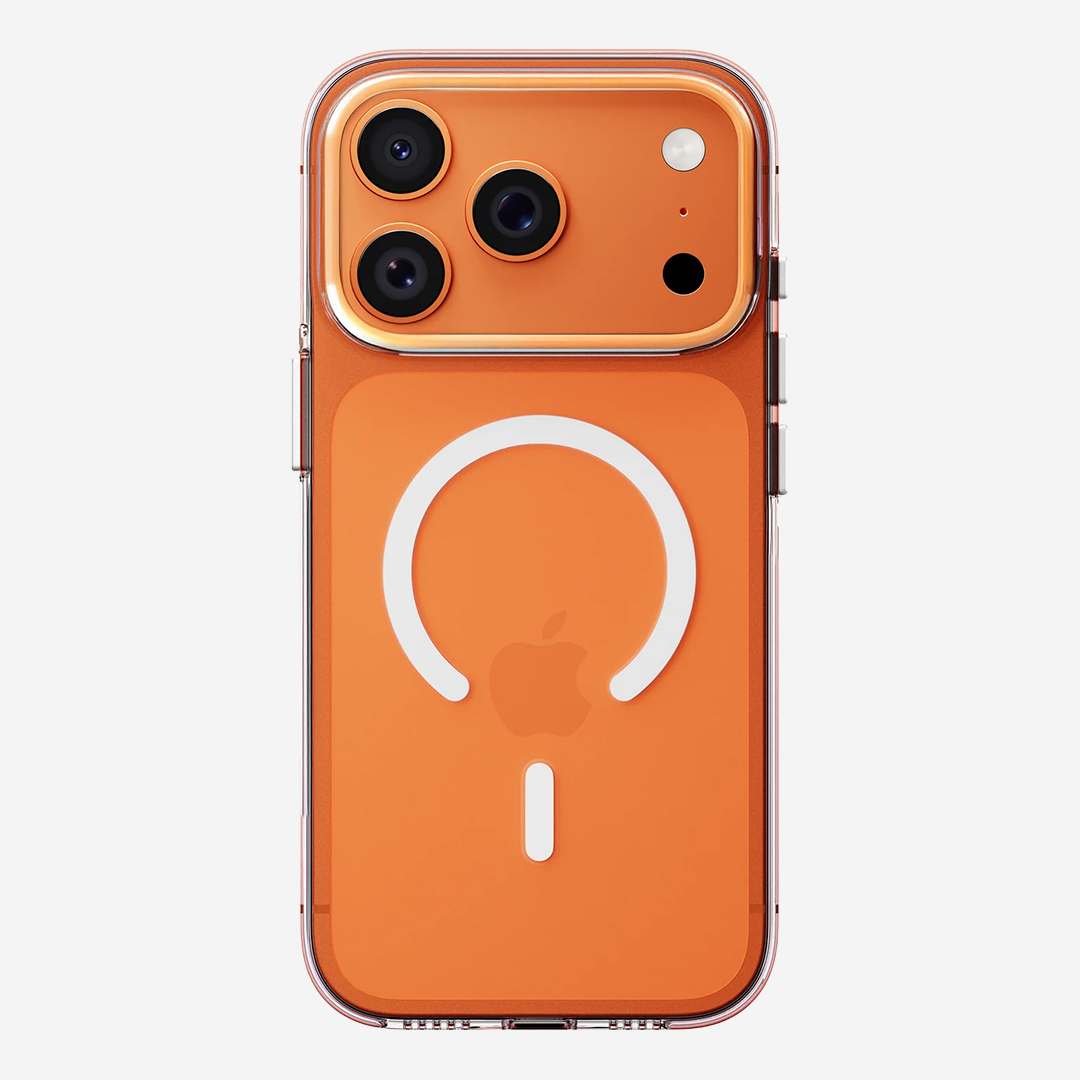
Counter-Strike is a popular multiplayer first-person shooter (FPS) game that emphasizes teamwork and strategy. Players can choose to fight as terrorists or counter-terrorists in various game modes. For those looking to keep their devices safe while enjoying gaming, check out the Top 10 iphone clear cases to protect your phone.
The Science Behind Anti-Yellowing: Why Fabrics Fade and How to Stop It
Understanding the science behind anti-yellowing requires a closer look at why fabrics fade in the first place. Fabrics can become yellowed due to various factors, including exposure to sunlight, the accumulation of body oils, and even the type of detergents used during washing. Ultraviolet (UV) rays are particularly notorious for breaking down the chemical composition of fabric fibers, causing color degradation over time. Additionally, certain synthetic materials, such as polyester, are more susceptible to this fading, leading to an unsightly appearance that can diminish the lifespan of our favorite garments.
To combat this issue and implement effective anti-yellowing solutions, consider adopting practices that protect your textiles from both environmental and chemical factors. One effective method is to use specialized laundry detergents designed for color retention. Furthermore, storing fabrics in cool, dark places can significantly slow down the fading process. You might also explore fabric inhibitors and UV-protective sprays, which can create a protective barrier against harmful rays. By understanding these underlying causes and employing effective strategies, you can prolong the vibrant look of your fabrics and maintain their longevity.
Can You Reverse Yellowing? Common Myths and Effective Solutions
The yellowing of materials such as plastics and fabrics can be a frustrating issue, leading many to wonder, can you reverse yellowing? Unfortunately, there are many common myths surrounding this topic. One prevalent misconception is that simply washing or cleaning the item will restore its original color. While routine cleaning can help remove surface dirt, it often does not address the deeper chemical changes that cause yellowing. Instead, understanding the underlying causes, such as exposure to UV light or certain chemicals, is crucial for finding effective solutions.
Fortunately, there are several effective solutions that can help reverse the yellowing process. For example, using a mixture of hydrogen peroxide and baking soda can often brighten yellowed plastics or fabrics. Additionally, specialized whitening agents are available on the market that are specifically designed to tackle this issue. Always remember to test these methods on a small, inconspicuous area first to avoid any potential damage. By debunking myths and implementing proven techniques, you can regain the original beauty of your items.