Top 10 Must-Have Smart Devices for Effortless Home Automation
As technology advances, smart devices have transformed our living spaces into intuitive environments that enhance convenience and efficiency. Home automation is no longer a luxury; it’s becoming a necessity for many homeowners. Here are the Top 10 Must-Have Smart Devices to facilitate effortless home automation:
- Smart Thermostat: Optimize your home’s heating and cooling system remotely, saving energy and costs.
- Smart Lights: Easily control the brightness and color of your home’s lighting with just a voice command or a tap on your smartphone.
- Smart Plugs: Transform any ordinary appliance into a smart device by controlling it from anywhere.
- Smart Security Cameras: Monitor your home 24/7 and receive alerts for any suspicious activities.
- Smart Doorbell: Interact with visitors remotely and ensure your home’s security from anywhere.
- Smart Speakers: Control your entire smart home ecosystem through voice commands.
- Smart Locks: Enhance your home’s security by allowing keyless entry for family and friends.
- Smart Appliances: From refrigerators to ovens, smart appliances can make daily chores effortless.
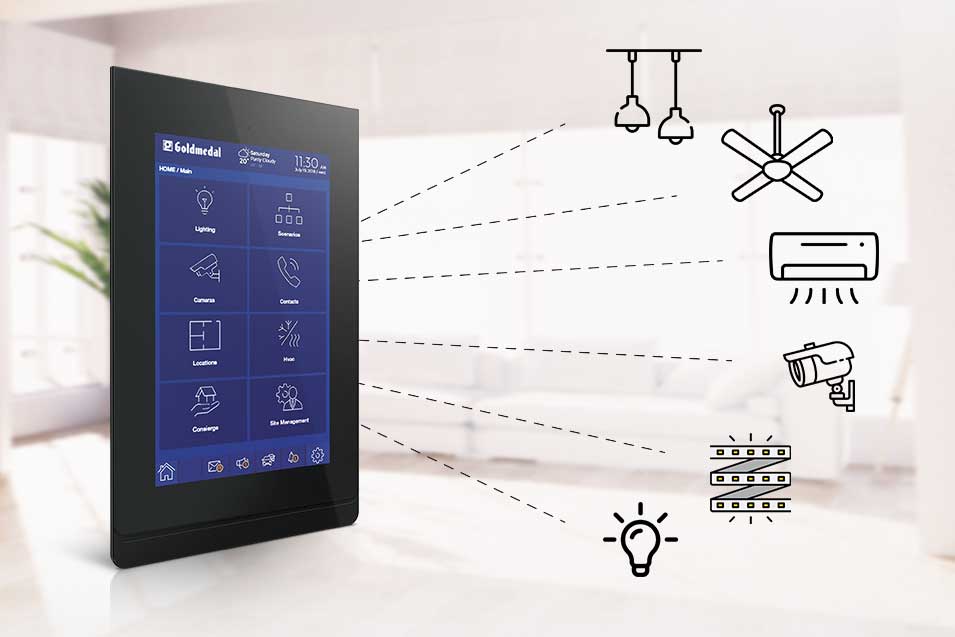
- Smart Hub: Centralize control of all your smart home devices for seamless operation.
- Smart Sensors: Detect changes in the environment, from temperature to movement, to automate your home further.
Counter-Strike is a popular tactical first-person shooter game that pits two teams against each other: the terrorists and the counter-terrorists. Players work together to complete objectives, such as planting or defusing a bomb or rescuing hostages, all while trying to eliminate the opposing team. For gamers looking to enhance their gaming experience, check out the Top 10 homepod mini mounts for better sound clarity during play. The game's strategic depth and competitive scene have made it a staple in the esports world.
How to Automate Your Home Without Lifting a Finger: A Step-by-Step Guide
Automating your home can significantly enhance convenience and efficiency, allowing you to control various devices and systems with minimal effort. To get started, the first step is to assess your needs; consider which tasks you perform regularly that could be simplified through automation. For example, think about controlling lighting, security systems, or even climate control. Once you have identified these areas, select the right smart devices that are compatible with one another and can be integrated into a unified smart home system.
After you've gathered the necessary devices, it’s time to set up your smart home ecosystem. Begin by installing a central hub or using a smartphone app to connect your devices. Follow the manufacturer’s instructions for each device, typically involving downloading an application and connecting to Wi-Fi. Once connected, you can create automation routines — for instance, you can program your lights to turn on at sunset or your thermostat to adjust based on your schedule. By taking these steps, you can enjoy a fully automated home without lifting a finger.
Is Home Automation Worth It? Exploring the Pros and Cons
When considering whether home automation is worth it, it's essential to weigh the significant pros. For many homeowners, the convenience offered by smart technology is unparalleled. Imagine being able to control your lighting, thermostat, and security system all from your smartphone or with the sound of your voice. Additionally, home automation can lead to substantial energy savings by optimizing the use of appliances and systems based on your habits. Furthermore, enhanced security features, such as smart cameras and automated locks, provide peace of mind and allow homeowners to monitor their property remotely.
On the flip side, there are some drawbacks to consider. One major concern is cost: setting up a comprehensive home automation system can be expensive, with costs that vary depending on the technology you choose. Moreover, compatibility issues between different devices can lead to frustrations, as not all devices work seamlessly together. Finally, there's a potential learning curve for those unaccustomed to using smart technology, often leading to confusion instead of convenience. In conclusion, while home automation can offer numerous benefits, it's essential to evaluate both the pros and cons to determine if it's the right choice for your lifestyle.